
Social media for local business in two hours a week
This guide to social media for local business is for the owner who also does the rosters and the books. It covers where to start, what to post and a routine that fits in two hours a week.
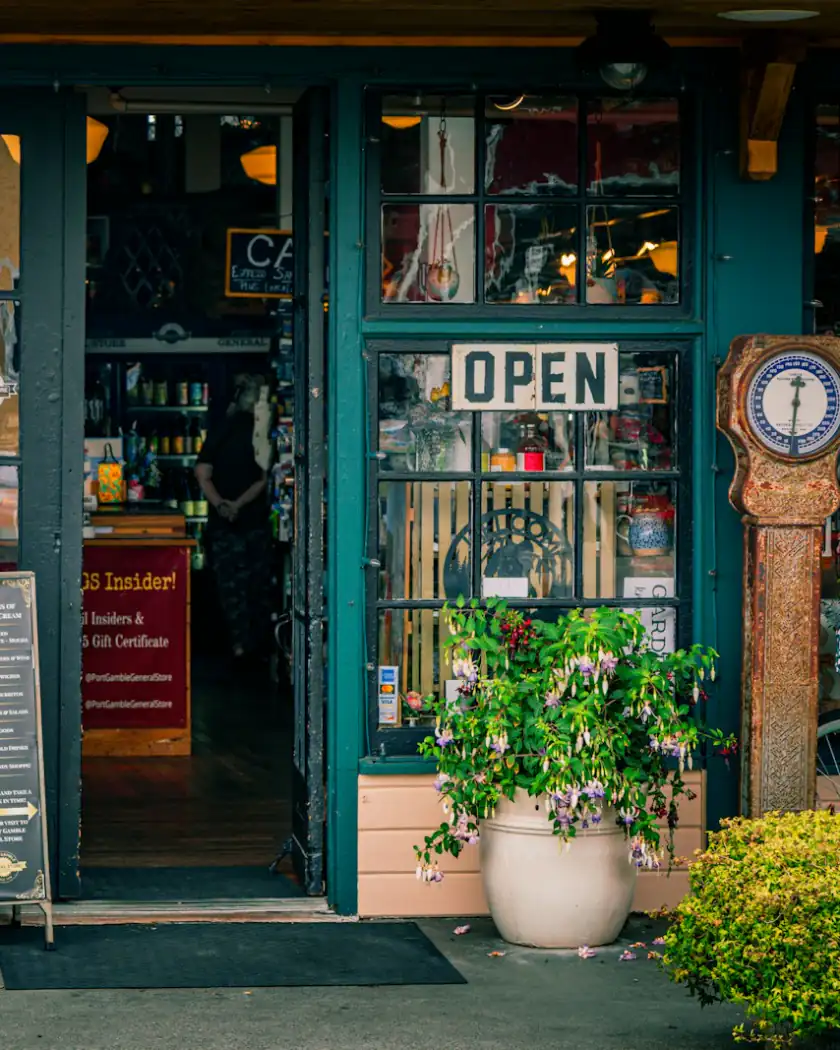
Where to start, by type of business
Start with one or two networks and keep them up to date. Whichever row is yours, you also need a complete Google Business Profile, which step 2 covers.

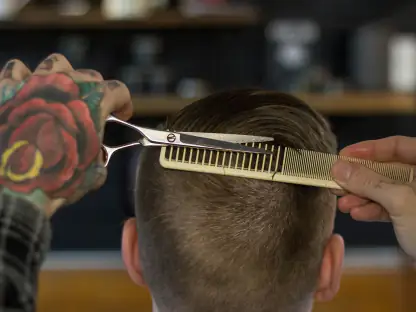
Hair, beauty and fitness
Start with Instagram, because your results are visual. Post before and after photos with the client’s permission and tag your suburb. Use Facebook for class times and last minute openings.
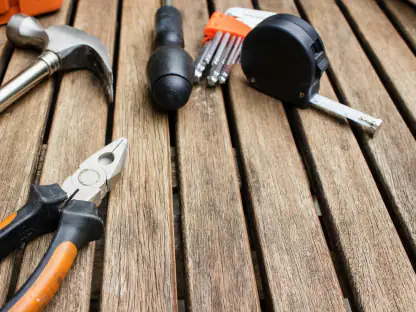
Trades and home services
Start with Facebook, where homeowners ask local community groups for a plumber or a sparky. Post before and after photos of finished jobs with the suburb named.
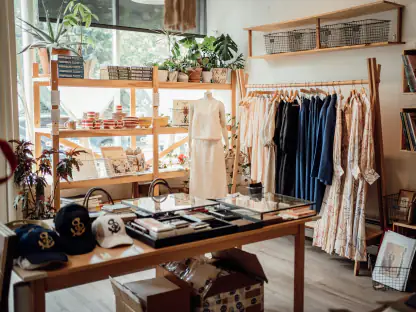
Retail shops
Post to Instagram and Facebook the day new stock arrives, and say when something is nearly sold out. If you also sell online, put the shop link in your profile.

Health clinics
Start with Facebook for opening hours, new practitioners and general health tips. Registered health practitioners cannot use testimonials about clinical care in advertising, and replying to a patient’s review can count as using one, so read Ahpra’s testimonial guidance first.

Accountants, lawyers and brokers
Start with LinkedIn, posting from your own profile as well as the firm’s page, because clients hire a person. Answer the questions people ask at tax time or before settlement in plain words.
Step 1: Decide what you want it to do
Social media helps people find you, shows them you are open and good at what you do, and reminds past customers to come back. Make sure you have a booking link, phone number or address that is easy for visitors to find.
In We Are Social’s Digital 2025 report, more than 58% of Australians said they use social media to research brands and products, close behind the 62% who use a search engine. A page last updated two years ago tells them you may have closed.
Pick one result for the next three months: more bookings, calls, walk-ins or online orders. Every post and reply should make that one thing easier.

Step 2: Get your profiles right before you post
Most people still decide on Google, where 71% of US adults in BrightLocal’s 2026 survey said they read reviews of local businesses. Claim your free Google Business Profile and fill in every field, because Google’s help pages say businesses with complete details are more likely to show up in local search.
Use the same business name, address, phone number and opening hours on every profile, and change them everywhere when they change. Set a reminder to update your hours before each public holiday.
Add the button that matches your goal from step 1: Book, Call, Get directions or Order. Use the shopfront or your own face as the profile picture, and upload your own photos in place of stock images.

Step 3: Pick one or two networks and ignore the rest
Go where your customers already are. In the Australian Communications and Media Authority’s 2025 survey, 68% of adults had used Facebook in the past week, 56% YouTube, 45% Instagram and 23% TikTok.
Age matters, because 56% of 18 to 24 year olds had used TikTok against 17% of people aged 45 to 54. Instagram was used by 55% of women and 35% of men. Start with Facebook if most of your customers are over 45, and with Instagram or TikTok if most are under 30.
Each network needs its own photos and replies, so start with two at most. Claim your business name on the others so nobody else takes it, then leave them alone.

Step 4: Choose what to post before you open the app
The hard part is knowing what to post on a quiet Tuesday. These six kinds of post fit almost any local business, and you can rotate through them.
Say what is on today, such as the special or an appointment that just opened. Show how it is made with thirty seconds from the kitchen or the job site. Introduce the people who do the work. Show a before and after, with the customer’s permission. Answer a question you are asked every week. Share something local, such as the school fete or the footy club.
None of it needs polish, because Mt Lewis Pizzeria and Brooki Bakehouse built their following on plain phone videos of the kitchen and the working day.
End every post with the next step from step 1, such as booking through the link or calling your number.

Step 5: Run it in two hours a week
Set aside one fixed hour a week and ten minutes on each of the other six days. In the hour, take the photos and videos for three posts, write the captions and schedule them.
Use the ten minutes a day to answer every comment, message and review, and to thank anyone who tagged you.
The habit to protect is posting every week. When Buffer studied more than 100,000 of its users, those who posted in at least 20 of 26 weeks got about five times the likes, comments and shares per post of those who posted in four or fewer.

Step 6: Reply the same day and ask for reviews
Treat a comment or a message like a customer standing at the counter. In Sprout Social’s 2025 Index, about three quarters of consumers expected a reply within 24 hours, and 73% said they would buy from a competitor if a brand did not respond.
People read reviews before they choose. In BrightLocal’s 2026 survey of US adults, 47% would not use a business with fewer than 20 reviews and 89% expected the owner to reply.
Michael Luca at Harvard Business School found that one extra star on Yelp lifted an independent restaurant’s revenue by 5 to 9%. His data is from Seattle between 2003 and 2009, so treat the size of the effect as a rough guide.
Ask every customer at the end of the job or visit, then text them the link. Google’s review policy bans offering a discount or gift for a review, and asking only the customers you expect to be positive. Reply to a bad review once, calmly, with what you will do about it.

Step 7: Pay to reach locals once the basics work
Most of your followers never see a given post. Socialinsider’s 2026 benchmark puts the average Facebook post’s reach at under 2% of a page’s followers and the average Instagram post’s at under 5%.
Paying is what gets a post in front of them. In an experiment published in the Journal of Marketing Research, customers invited to like a company’s Facebook page behaved no differently from the rest for four months. Once the company paid to show them its posts, they earned 8% more reward points.
Start small, and only once steps 1 to 6 are in place. Boost a post that already did well to people within a few kilometres of your door, and send them to your booking link or directions. Set a budget you can afford to lose, such as $50 over a week, and compare the bookings with a normal week.

Step 8: Ask every new customer how they found you
Likes and follower counts say little about sales, so watch the number you chose in step 1.
Ask each new customer how they found you and keep a tally by the till or in your booking notes. Your Google Business Profile also counts calls, direction requests and website clicks each month.
Add up the tally once a month and give the routine three months before you judge it. Make more of whatever brings people in, and drop a network that has brought nobody after three months.

What other businesses did, and what happened
These are three Australian businesses and three studies. The stories show what can happen, and the studies are firmer ground.
- Bagus Coffee, Newcastle
- Two visitors posted TikTok videos of the café, and one passed 2 million views. The food sold out by 11am that Saturday. The owners doubled their stock for Sunday, sold out before lunch and went on to hire five more staff, Newcastle Weekly reported in July 2026.
- Brooki Bakehouse, Brisbane
- The bakery opened in 2022 and stayed quiet for eight months, according to Baking Business. Then the owner began filming her working day for TikTok and the shop filled. AAP reported in 2024 that she put up to 85% of her sales down to the videos, a figure from a report TikTok released.
- Mt Lewis Pizzeria, Bankstown
- A family restaurant was struggling to stay open after 17 years. The owners’ son quit his job, gave the place a new look and posted raw videos from the kitchen, one of which passed 200,000 views. SmartCompany reported the story in April 2023 without sales figures.
- Seattle restaurants and reviews
- One extra star on Yelp lifted an independent restaurant’s revenue by 5 to 9%, with no effect for chains, in a study by Michael Luca of Harvard Business School.
- A wellness programme’s Facebook page
- Customers invited to like the page behaved no differently for four months. Once the company paid to show them two posts a week, they earned 8% more reward points than the comparison group. Mochon, Johnson, Schwartz and Ariely published the study in 2017.
- 100,000 Buffer users
- In Buffer’s study, accounts that posted in at least 20 of 26 weeks got about five times the engagement per post of those that posted in four or fewer. They are Buffer’s own customers, and the study counted likes, comments and shares, not sales.
Frequently asked questions
- Which social media platform is best for a local business?
- Pick the one your customers already use. In ACMA’s 2025 survey Facebook was the most used network among Australian adults, so it is the safe first choice for most trades, clinics and services. Add Instagram if what you sell looks good in a photo, and TikTok if your customers are under 30.
- How often should a local business post on social media?
- Three posts a week fits in one hour of preparation. Posting every week matters most, because in Buffer’s study accounts that posted in at least 20 of 26 weeks got about five times the engagement per post of those that posted in four or fewer.
- Do I need to pay for social media ads?
- Hold off for the first month while you set up your profiles and build the habit of posting and replying. After that a small budget is worth testing, because Socialinsider’s 2026 benchmark puts the average Facebook post’s reach at under 2% of a page’s followers. Boost one post that already did well to people near your business, then count the bookings.
- How long does social media take to work for a local business?
- Give it three months of weekly posts and same day replies before you judge it. Fixing your profiles and collecting reviews can pay off sooner, because people who search for you see them straight away.
- Should I pay someone to run my social media?
- If you cannot find two hours a week, pay someone to plan and post. Keep the photos and replies inside the business, because you and your staff know the answers. Ask anyone you hire to report bookings, calls and reviews each month, as well as followers.
- What should I do about a bad review?
- Reply once, within a day, and stay calm. Thank them, say what you will do about it, and offer a phone number to sort out the detail in private. In BrightLocal’s 2026 survey 89% of people expected owners to reply to reviews. Health practitioners should read Ahpra’s guidance before replying to any review.
How Posty can help
Posty puts every draft, scheduled post and published post on one calendar, so you can write the week’s three posts in your fixed hour and let Posty publish them at the times you picked.
- A caption for each network on the same post
- Comments and direct messages in one inbox, on every paid plan
- A link in bio page for your booking link
- Schedule from your phone with the mobile app
Plan your week of posts in Posty
Write the week’s posts in one sitting, schedule them and get back to the shop. Paid plans start with a 7 day trial that needs a card and bills the plan you chose automatically unless you cancel.